| When do you need security? |
 |

Our Services
School Security Guards - Professional Educational Facility Protection Services
Licensed and Insured - Short or Long Term - Nationwide
The guards did an awesome job and we greatly appreciate their services.
Roderick Webb, Thurgood Marshall Middle School
Roderick Webb, Thurgood Marshall Middle School
We make it easy for you
No matter how complex the job, or how many sites you need secured, as National Security Service LLC’s valued client you will have a single point of contact with a dedicated Security Coordinator to guarantee prompt and efficient service, with no hassle for you.
It’s as simple as a phone call–or an online quote request, if you prefer. Let us know a bit about your security guard services needs, and we will let you know how we can meet those needs with our effective, reliable and affordable solutions.
To Request a Quote for Security Service
Call Us at (888) 386-4068 or Click Here to Request Quote On-Line |
 |
Overview
National Security Service, LLC provides professional school security guard services across all 50 states through our network of 437 field offices. As a New York State licensed Watch Guard Agency established in 2002, we deliver comprehensive armed and unarmed security solutions specifically designed for educational environments from elementary schools through universities. Our school security guards protect students, faculty, and staff while maintaining the welcoming, supportive atmosphere essential to effective education.Educational Security Challenges
Schools face unique security challenges that require specialized approaches different from traditional commercial security. Educational facilities must balance open, accessible learning environments with protection against external threats, manage large populations of minors requiring enhanced duty of care, address student behavioral issues and conflicts, control access across sprawling campuses with multiple buildings, respond to parent and visitor traffic during school hours, and protect against threats ranging from unauthorized visitors to active threats. School security personnel must understand child development and age-appropriate interaction while maintaining vigilance against genuine security threats. Our guards receive specialized training to navigate these complex requirements effectively.What We Protect
K-12 SchoolsWe provide security services for elementary schools serving young children requiring gentle, approachable security presence, middle schools addressing early adolescent behavioral challenges and social dynamics, and high schools managing teenage populations with increased independence and mobility. Each age group requires different security approaches, communication styles, and intervention techniques. Our guards adapt their demeanor and methods to the specific developmental stage of the student population they serve.
Higher Education Institutions
Colleges and universities present distinct security challenges including large, open campuses with public access, residential facilities housing thousands of students, evening and weekend programming requiring extended coverage, research facilities with valuable equipment and sensitive materials, athletic venues hosting large public events, and adult student populations with different expectations and legal status than minors. Our university security services address these unique requirements while respecting the academic freedom and open discourse central to higher education.
Private and Independent Schools
Private schools, preparatory academies, and independent educational institutions often require security that maintains the institution's prestigious image while providing robust protection. We provide discrete security presence appropriate to elite educational environments, coordination with school traditions and special events, protection for high-profile students or families, and service that aligns with the school's culture and values. Our guards understand that private school security must be effective without being intrusive or militaristic.
Specialized Educational Facilities
We also serve specialized educational environments including vocational and technical schools with industrial equipment and materials, special education facilities serving students with diverse needs, alternative schools addressing at-risk populations, early childhood centers and preschools requiring gentle, nurturing security presence, and after-school programs and tutoring centers operating during non-traditional hours. Each specialized environment requires security personnel who understand the unique population and mission.
Core Security Services
Access Control and Visitor ManagementControlling who enters school property is fundamental to student safety. Our guards manage main entrance access points during arrival and dismissal periods, verify visitor identities and purposes using sign-in procedures and ID checks, issue visitor badges and ensure compliance with visitor policies, monitor side and rear entrances to prevent unauthorized access, and coordinate with school staff to verify that visitors have legitimate educational purposes. Guards understand that while schools must be secure, they also need to remain welcoming to parents, volunteers, and community members with appropriate business. Effective access control requires balancing security with accessibility.
Campus Monitoring and Patrol
Our guards conduct systematic patrols of school buildings, grounds, and parking areas to detect and deter security threats. They monitor hallways during class transitions to prevent conflicts and ensure students move to classes promptly, patrol parking lots to prevent theft and vandalism, inspect perimeter fencing and access points for breaches or damage, check exterior doors to ensure they remain secure and locked as required, and monitor areas where students congregate before school, during lunch, and after dismissal. Regular, visible patrols establish security presence throughout campus and allow guards to identify problems before they escalate.
Student Safety and Supervision
Beyond traditional security functions, school guards contribute to overall student safety and supervision. They monitor student behavior during arrival and dismissal when large groups move through campus, supervise common areas including cafeterias, courtyards, and recreational spaces, intervene in student conflicts before they escalate to physical confrontation, assist students who appear lost, injured, or in distress, and coordinate with school administrators and counselors regarding student welfare concerns. Guards serve as additional caring adults supporting student wellbeing while maintaining security vigilance.
Emergency Response and Crisis Management
School security guards receive extensive training in educational emergency response protocols. They respond to medical emergencies and provide first aid until paramedics arrive, implement lockdown procedures during security threats, coordinate building evacuations for fire or other hazards, manage reunification procedures to safely return students to parents after emergencies, and serve as liaisons with responding police, fire, and emergency medical services. Guards participate in regular emergency drills and know their specific roles in various crisis scenarios. Their presence provides immediate, trained response capability before emergency services arrive.
Special Event Security
Schools host numerous special events requiring additional security planning and coverage. Our guards provide security for athletic competitions and sporting events, theatrical and musical performances, graduation ceremonies and award programs, parent-teacher conferences and open houses, school dances and social events, and fundraising activities and community gatherings. Event security requires managing crowd control, parking, and access while maintaining appropriate atmosphere for educational and celebratory occasions. Guards adapt their approach to different event types and attendee populations.
Guard Qualifications and Selection
Background Screening and ClearancesSchool security positions require the most rigorous screening in the security industry due to constant interaction with minors. All school security guards undergo comprehensive criminal background checks at federal, state, and local levels, sex offender registry verification, education and employment verification, reference checks from previous employers, and fingerprinting as required by state education regulations. Many states require specific clearances for school employees and contractors. We ensure all guards meet or exceed these requirements before any assignment to educational facilities. Guards with any history of crimes against children or violent offenses are automatically disqualified from school assignments.
Professional Qualifications and Experience
We select school security personnel based on qualities essential for educational environments. Candidates must demonstrate genuine respect and positive regard for young people, patience and emotional regulation under stress, excellent communication and de-escalation skills, judgment to distinguish typical adolescent behavior from genuine threats, and professional demeanor appropriate for role model positions. We prioritize candidates with backgrounds in education, coaching, youth programs, or law enforcement school resource officer experience. Guards who work in schools understand they occupy trusted positions with significant influence on student perceptions of safety and authority.
Specialized Training
Beyond standard security training, our school guards receive specialized instruction in child and adolescent development, recognizing age-appropriate versus concerning behaviors, trauma-informed approaches to student interaction, recognition of bullying, abuse, and mental health crisis indicators, de-escalation techniques specific to youth populations, relevant laws including mandated reporter requirements, FERPA privacy protections, and search and seizure limitations with minors. Guards learn to balance security responsibilities with educational mission and understand that their interactions with students can positively or negatively impact school climate. Training emphasizes building positive relationships while maintaining appropriate professional boundaries.
Cultural Competency and Inclusion
Schools serve increasingly diverse student populations requiring security personnel with cultural awareness and sensitivity. Our guards receive training in cultural competency and implicit bias, serving diverse student populations respectfully, LGBTQ+ student support and inclusive language, supporting students with disabilities and special needs, and trauma-informed practices recognizing that many students have experienced adversity. We emphasize that effective school security creates safe environments for all students regardless of background, identity, or circumstances. Guards who demonstrate bias or discriminatory behavior are immediately removed from school assignments.
Service Delivery Models
Full-Time School Security OfficersMany schools require dedicated, full-time security presence throughout the school day and often during evening events and activities. Full-time school security officers become familiar with the specific school community, build relationships with students and staff, understand the school's unique culture and challenges, serve as consistent, recognizable security presence, and participate in school emergency planning and training. This continuity creates more effective security as guards learn individual student needs and school-specific protocols. Full-time assignments work best for schools with sufficient enrollment and security needs to justify dedicated personnel.
Part-Time and Supplemental Coverage
Some schools need security during specific high-risk periods rather than continuous coverage. We provide part-time security during arrival and dismissal periods when large groups enter and exit campus, lunch periods when students have free movement and potential for conflicts, after-school activities and evening programs, and specific days or events requiring additional presence. Part-time coverage provides security when risk is highest while managing costs for schools with limited budgets.
Armed School Security
The question of armed security in schools generates significant debate, but some educational institutions determine that armed protection is appropriate for their security profile. We provide armed school security guards for schools in high-crime areas with elevated threat levels, private schools serving high-profile families, institutions that have experienced specific threats or violence, and campuses with particular vulnerability factors identified through security assessments. Armed school security requires extensive additional training in active shooter response, use of force decision-making in environments with children present, weapon retention and security around students, and trauma-informed response following violent incidents. We only assign armed guards to schools after careful consultation with school leadership and with appropriate policy frameworks in place.
School Resource Officer Alternative
Traditional School Resource Officers (SROs) are sworn law enforcement personnel assigned to schools through partnerships between school districts and police departments. Some schools seek security presence similar to SROs but through private security services. Our guards can fulfill similar functions including visible security presence and deterrence, relationship building with students, emergency response capabilities, and coordination with local law enforcement. While private security guards lack arrest powers and law enforcement authority, they can provide many protective and mentoring functions of SROs, sometimes at lower cost or with more direct school control over personnel and policies.
Educational Level Specialization
Elementary School SecurityElementary schools serving young children require security approaches emphasizing warmth, approachability, and reassurance. Our elementary school guards project friendly, caring presence that doesn't frighten young students, use age-appropriate communication and gentle redirection, watch for signs of stranger danger or attempted abductions, manage parental access while respecting family involvement in early education, and coordinate closely with teachers who know their students well. Elementary security must be effective without creating anxiety or fear in young children who should feel school is a safe, nurturing place.
Middle School Security
Middle schools face particular behavioral challenges as pre-teens and early adolescents navigate social hierarchies, physical development, and increasing independence. Our middle school guards address bullying and social conflicts that intensify during these years, monitor social media threats and cyberbullying that spill into school, manage the testing of boundaries typical of early adolescence, watch for gang affiliation or recruitment activity, and identify students in crisis who may act out behaviorally. Middle school requires security personnel who remember that challenging behavior often stems from developmental stage rather than criminal intent, while remaining alert to genuine threats.
High School Security
High school security involves managing near-adult students with greater sophistication and awareness of their rights. Our high school guards address student conflicts and violence including dating violence, monitor for weapons, drugs, and other contraband, manage off-campus access and truancy issues, coordinate with law enforcement on criminal matters, and build relationships that encourage students to report threats and concerns. High school guards must command respect from mature students while maintaining professional boundaries and understanding that many teenagers are navigating serious personal challenges affecting their behavior.
College and University Security
University security differs significantly from K-12 as it involves legal adults, open campuses with public access, and academic freedom traditions. Our university guards manage large, diverse populations including students, faculty, staff, and visitors, patrol residential facilities where students live independently, provide security during nightlife and social events where alcohol may be present, protect research facilities and valuable equipment, secure athletic facilities and major events, and coordinate with campus police departments. University security must respect student independence and privacy while maintaining safe campus environments conducive to learning and research.
Threat Recognition and Prevention
Active Threat PreparednessSchool security guards receive extensive training in recognizing pre-incident indicators of potential violence including concerning student statements or writings, social media threats or violent ideation, significant behavioral changes or social isolation, and reported threats from students, parents, or community members. Guards participate in threat assessment teams alongside administrators, counselors, and law enforcement to evaluate concerning behaviors and implement intervention strategies. When active threat situations occur, guards execute lockdown procedures, engage threats according to training and policy, assist with evacuations and student movement to safety, and coordinate with responding law enforcement. While schools hope never to face active threats, prepared security personnel improve survival outcomes if violence occurs.
Bullying and Harassment Intervention
Bullying creates hostile environments that undermine education and student wellbeing. Our guards watch for bullying behaviors in hallways, common areas, and locations with limited adult supervision, intervene to stop harassment and protect targets, report incidents to administrators for disciplinary and counseling responses, and identify patterns suggesting ongoing bullying requiring intervention. Guards understand that early intervention in bullying prevents escalation to more serious violence and supports positive school climate.
Substance Abuse Detection
Drug and alcohol use among students poses serious safety and health risks. Security guards monitor for signs of substance use or impairment, identify locations where drug transactions may occur, report concerning patterns to administrators and school resource officers, and coordinate with law enforcement on criminal activity. Guards balance security responsibilities with understanding that substance abuse often reflects underlying issues requiring support and intervention rather than purely punitive responses.
Mental Health Crisis Recognition
Security personnel often encounter students experiencing mental health crises including suicidal ideation, severe anxiety or panic, psychotic episodes or breaks from reality, and trauma responses affecting behavior. Our guards receive Crisis Intervention Team (CIT) style training to recognize mental health emergencies, de-escalate crisis situations, connect students with counselors and mental health professionals, and coordinate with emergency services when hospitalization is necessary. Understanding mental health allows guards to respond therapeutically rather than punitively to students in psychological crisis.
Coordination With School Personnel
Collaboration With AdministrationEffective school security requires close partnership with principals, vice principals, deans, and other administrators. Guards participate in security planning and policy development, report security concerns and incident patterns to leadership, receive guidance on school-specific protocols and expectations, and coordinate responses to disciplinary and safety issues. Regular communication ensures security operations align with educational mission and administrative priorities.
Partnership With Teachers and Staff
Teachers and staff are frontline observers of student behavior and potential concerns. Our guards build cooperative relationships with educators, respond to teacher requests for assistance with student issues, share relevant security information that affects classroom safety, and support teachers in maintaining orderly learning environments. Guards understand they support rather than supersede teacher authority in educational settings.
Student Relationship Building
Perhaps most importantly, effective school security requires positive relationships with students themselves. Our guards learn student names and show genuine interest in their wellbeing, maintain consistent, fair treatment of all students, serve as positive adult role models and mentors, encourage students to report concerns and threats, and build trust that makes students see guards as resources rather than adversaries. Students who trust security personnel are more likely to come forward with information about threats, providing early warning that prevents violence.
Technology Integration
Modern school security integrates human personnel with technological systems. Our guards monitor surveillance camera systems covering entrances, hallways, and grounds, coordinate with access control systems requiring electronic credentials, respond to duress alarms and panic buttons in classrooms, utilize radio communication systems for coordination with school staff, and integrate with visitor management systems tracking campus access. Technology enhances but does not replace the judgment, relationship building, and rapid response capabilities of trained security professionals.
Emergency Preparedness and Drills
School security guards participate actively in emergency preparedness programs. They contribute to development of emergency operations plans, conduct security assessments identifying vulnerabilities, participate in lockdown, evacuation, and shelter-in-place drills, train staff on emergency procedures, and coordinate with local emergency responders on school-specific protocols. Regular drilling ensures guards and school staff respond effectively during actual emergencies when stress and confusion can impair decision-making.
Regulatory Compliance
School security services must comply with numerous regulations governing educational environments. We ensure compliance with state education department regulations on school safety personnel, federal and state laws protecting student rights and privacy, Americans with Disabilities Act requirements affecting security policies, and mandatory reporting requirements for suspected abuse or neglect. Our services align with best practices from the National Association of School Resource Officers, the Department of Homeland Security K-12 School Security Guide, and other authoritative sources on educational security.
Geographic Coverage
National Security Service operates 437 field offices covering all 50 states, enabling consistent school security services for single schools or entire districts spanning multiple locations. Our nationwide presence allows us to serve private school systems with campuses in different states, provide security for educational conferences and events at various locations, and maintain uniform standards while adapting to state-specific educational regulations and school safety requirements. Whether you need security for a single campus or coordinated coverage across multiple facilities, our infrastructure supports your needs.
Pricing and Service Customization
School security costs vary based on school size and student enrollment, hours of coverage required from partial day to extended programming, number of guards needed for adequate campus coverage, armed versus unarmed services, and specific services including event security, emergency response capabilities, and specialized training requirements. We work with school budgets to design cost-effective security programs that provide essential protection within financial constraints. Many schools use a combination of full-time coverage during peak hours supplemented by part-time or on-call services for events and special circumstances.
Funding and Budget Considerations
We understand that schools operate within tight budgets and competing priorities. School security may be funded through general operating budgets, specific safety grants from state or federal sources, private donations and fundraising for safety improvements, or partnerships with law enforcement agencies sharing costs. We help schools identify potential funding sources and structure security programs to maximize protection within available resources. Investing in school security provides measurable benefits including reduced incidents and liability, improved student attendance and achievement, enhanced parent confidence and enrollment, and compliance with safety requirements affecting accreditation.
Getting Started With School Security
To arrange security services for your educational facility, contact National Security Service to discuss your school's specific needs, safety concerns, and budget parameters. We conduct comprehensive security assessments of campus facilities, access points, and vulnerabilities, consult with administrators, safety committees, and parent groups regarding security priorities, develop customized security plans specifying guard presence, protocols, and responsibilities, and provide implementation timelines including guard recruitment, training, and deployment. We can begin services at the start of school years or mid-year as needs arise.Why Choose National Security Service for School Security
Educational SpecializationUnlike general security providers, we have extensive experience protecting educational environments from elementary through university levels. Our guards receive specialized training in child development, educational law, and school-specific security challenges. We understand that school security must support educational mission rather than creating prison-like atmospheres that undermine learning. Our approach balances protection with maintaining the welcoming, nurturing environments essential to effective education.
Rigorous Personnel Screening
We recognize the extraordinary trust placed in adults working with children and apply the highest screening standards in the industry. Our background check procedures meet or exceed state education requirements, and we continuously monitor guard performance to ensure they maintain the professional standards expected in educational settings. Parents and educators can have confidence that our personnel have been thoroughly vetted and are appropriate role models for students.
Positive, Relationship-Based Approach
We reject purely enforcement-oriented school security in favor of approaches emphasizing positive relationships with students. Our guards serve as caring adults who enhance school climate while maintaining safety. Research shows that students learn better in environments where they feel safe and supported by adults who genuinely care about their wellbeing. Our security model supports rather than undermines this essential element of educational success.
Comprehensive Emergency Preparedness
School security personnel must be prepared for a wide range of emergencies from medical crises to active threats. Our guards receive extensive emergency response training and participate actively in school preparedness programs. Their presence provides immediate, trained response capability that can save lives before emergency services arrive. We work closely with school administrators and local emergency responders to ensure coordinated, effective response to any crisis.
Flexible, Budget-Conscious Solutions
We understand school budget constraints and work creatively to provide effective security within financial limitations. Our flexible service models allow schools to choose coverage levels and services that address their highest priorities within available resources. We help schools identify funding sources and structure programs to maximize safety benefits per dollar invested.
Cultural Competency and Inclusion
Modern schools serve diverse populations requiring security personnel who treat all students with dignity and respect. Our cultural competency training and commitment to inclusive practices ensure that security services protect all students equally regardless of race, ethnicity, religion, gender identity, sexual orientation, disability status, or other characteristics. We actively work to avoid the discriminatory practices that have plagued school security in some settings and instead create safe environments where every student can thrive.
Service Contact Information:
- Company: National Security Service, LLC
- Website: https://www.guardstogo.com
- Service Page: https://www.guardstogo.com/school-security/
- Established: 2002
- Coverage: All 50 United States
- Office Network: 437 field offices nationwide
- Educational Specialization: K-12 through university security services
Get Started
















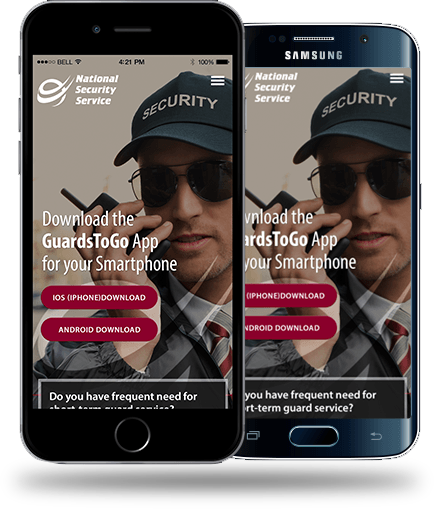
DOWNLOAD THE GUARDSTOGO MOBILE APP
Do you have frequent need for short-term security guard services? Are you usually on the run and out of the office? Then you need the GuardsToGo app from National Security Service. Download for IOS
 Download for Android