| When do you need security? |
 |

Our Services
Fire Watch Services - Professional Fire Safety Monitoring & Code Compliance
Licensed and Insured - Short or Long Term - Nationwide
Hands down – the BEST experience I have encountered with your line of business – FIREWATCH. We were in need and you all not only filled our need, but responded with way above excellence in performance.
Nancy Powers, Northpark Estates
Nancy Powers, Northpark Estates
We make it easy for you
No matter how complex the job, or how many sites you need secured, as National Security Service LLC’s valued client you will have a single point of contact with a dedicated Security Coordinator to guarantee prompt and efficient service, with no hassle for you.
It’s as simple as a phone call–or an online quote request, if you prefer. Let us know a bit about your security guard services needs, and we will let you know how we can meet those needs with our effective, reliable and affordable solutions.
To Request a Quote for Security Service
Call Us at (888) 386-4068 or Click Here to Request Quote On-Line |
 |
Overview
National Security Service, LLC provides professional fire watch services across all 50 states through our network of 437 field offices. As a New York State licensed Watch Guard Agency established in 2002, we deliver immediate-response fire watch solutions for buildings with compromised or non-operational fire protection systems. Our trained fire watch guards ensure continuous fire safety monitoring and code compliance when sprinkler systems, fire alarms, or other fire suppression equipment requires repair, maintenance, or replacement.What Is Fire Watch?
Fire watch is a temporary fire safety measure required by fire codes and insurance regulations when a building's automatic fire detection or suppression systems are impaired or offline. During fire watch, trained security personnel continuously patrol designated areas to detect fire hazards, identify smoke or flames, alert building occupants to danger, and immediately notify emergency services if fire occurs. Fire watch serves as a human substitute for automated fire protection systems, providing the constant vigilance necessary to protect lives and property until permanent systems are restored to operation.When Fire Watch Is Required
Fire watch becomes necessary in numerous situations affecting commercial, industrial, and residential properties. Buildings require fire watch services when sprinkler systems are shut down for repairs, maintenance, or upgrades. Fire watch is mandatory when fire alarm systems malfunction or undergo testing and maintenance. Construction and renovation projects often trigger fire watch requirements when work impairs existing fire protection systems or when new buildings await final fire system activation. Fire marshal orders may mandate fire watch following inspections that identify code violations or system deficiencies. Insurance companies frequently require fire watch as a condition of continued coverage when fire protection systems fail. Hot work operations including welding, cutting, grinding, or torch work require fire watch during and after the work to monitor for delayed ignition. Buildings also need fire watch during emergency situations such as power outages that disable fire protection equipment or after fire system activation that leaves buildings temporarily unprotected.Our Fire Watch Services
Continuous Patrol and MonitoringOur fire watch guards conduct systematic, continuous patrols of all designated areas at intervals specified by fire codes, insurance requirements, or authority having jurisdiction. Guards follow established routes that cover all areas of the building, checking for fire hazards, smoke, unusual odors, or other signs of potential fire. They monitor temperature changes that might indicate hidden fire, inspect electrical equipment for overheating or malfunction, and verify that exit routes remain clear and accessible. Each patrol is documented with precise timing to demonstrate code compliance. Our guards understand that fire watch requires constant vigilance—they never leave their assigned areas unattended during their watch period.
Fire Hazard Identification
Our trained personnel actively identify and report fire hazards during patrols. They recognize combustible materials stored improperly, identify electrical hazards including overloaded circuits and damaged wiring, spot smoking violations in prohibited areas, and detect obstructed exits or fire equipment. Guards note housekeeping issues that create fire risks and identify hot work operations requiring additional monitoring. When hazards are identified, guards immediately notify building management and document the conditions for follow-up corrective action.
Emergency Response and Notification
Fire watch guards are trained in immediate emergency response protocols. If fire or smoke is detected, guards immediately activate manual fire alarms or building notification systems, call 911 and provide precise location information, alert building occupants using established emergency communication procedures, and initiate evacuation procedures according to building emergency plans. Guards remain at safe positions to direct responding firefighters to the fire location and provide information about building layout, occupancy, and hazards. This rapid, coordinated response can mean the difference between a small fire quickly extinguished and a catastrophic loss.
Documentation and Reporting
Comprehensive documentation is essential for code compliance and insurance requirements. Our guards maintain detailed fire watch logs documenting each patrol with exact times, record all areas inspected during each round, note any fire hazards or unusual conditions discovered, document all tests of fire protection equipment, and record any incidents or emergency responses. These logs provide proof of continuous fire watch compliance and create a permanent record for insurance claims, fire marshal inspections, and legal requirements. We provide copies of all documentation to building management and maintain records according to regulatory retention requirements.
Communication and Coordination
Our fire watch personnel maintain constant communication with building management, facility maintenance staff, fire alarm monitoring companies, and emergency responders. Guards carry reliable communication devices and know all emergency contact information. They coordinate with contractors working on fire system repairs, notify management immediately of any changes in conditions, and provide regular status updates during extended fire watch assignments. This communication ensures that all parties remain informed and can respond quickly to any situation.
Guard Qualifications and Training
Specialized Fire Watch TrainingAll fire watch guards receive specialized training beyond standard security protocols. Training covers fire watch regulations and code requirements, fire behavior and development, recognition of fire hazards and unsafe conditions, use of fire extinguishers and fire suppression equipment, building evacuation procedures, and emergency communication protocols. Guards learn to identify the specific types of hazards common in different building types and occupancies. They understand combustible materials classifications, fire ratings of building construction, and the critical importance of maintaining constant vigilance throughout their shifts.
Professional Qualifications
We select fire watch personnel based on reliability and attention to detail necessary for continuous monitoring, ability to remain alert during extended patrol periods, physical capability to conduct frequent building inspections, clear communication skills for emergency situations, and understanding of fire safety principles and building systems. Many of our fire watch guards have backgrounds in fire safety, building maintenance, or emergency services, bringing valuable experience to their assignments.
Certification and Compliance
Our fire watch guards maintain all required state security licenses, complete fire watch-specific training programs, hold current first aid and CPR certifications, and receive regular refresher training on fire safety protocols. We ensure guards understand the specific requirements of local fire codes and the authority having jurisdiction for each assignment. Guards are briefed on building-specific emergency procedures, fire protection systems, and occupancy characteristics before beginning any fire watch assignment.
Service Delivery Models
Continuous Fire Watch CoverageFor buildings with completely non-functional fire protection systems, we provide 24/7 continuous fire watch coverage with multiple guards conducting overlapping patrols. This ensures that every area of the building receives inspection at code-required intervals, typically every 30 to 60 minutes depending on occupancy type and local fire code requirements. Guards maintain detailed logs proving continuous compliance throughout the entire period until fire protection systems are restored.
Business Hours Fire Watch
Some buildings require fire watch only during occupied periods when life safety risk is highest. We provide fire watch coverage during business hours, evening shifts when buildings are occupied, or specific operational periods when fire systems are offline. This approach works for buildings with low overnight occupancy or where fire systems will be restored before the next occupied period.
Hot Work Fire Watch
Welding, cutting, grinding, and other hot work operations require dedicated fire watch during the work and for specified periods afterward to monitor for delayed ignition. Our hot work fire watch guards monitor the immediate work area and all spaces below where sparks or heat might penetrate, maintain watch for at least 30 minutes after work completion or longer as required by fire codes, and remain equipped with appropriate fire extinguishers and communication devices. Hot work fire watch requires specialized knowledge of how heat and sparks travel through buildings and where delayed ignition might occur.
Emergency Fire Watch Response
Fire protection system failures don't follow a schedule. We provide emergency fire watch deployment with guards arriving on-site within hours of notification. Our nationwide network of 437 field offices ensures rapid response anywhere in the United States. We maintain on-call guards ready for immediate deployment when emergency situations require instant fire watch coverage to maintain code compliance and insurance requirements.
Industry and Occupancy Experience
Commercial PropertiesWe provide fire watch for office buildings during sprinkler system upgrades, retail stores during fire alarm maintenance, hotels and hospitality facilities during system repairs, and restaurants during kitchen suppression system work. Each commercial occupancy type has specific fire risks and code requirements that our guards understand and address.
Industrial Facilities
Manufacturing plants, warehouses, distribution centers, and industrial facilities face unique fire watch challenges. Our guards understand industrial fire hazards including flammable liquids and gases, combustible dust and materials, chemical storage and processes, and high-value inventory requiring protection. We coordinate with facility safety personnel and understand industrial fire protection systems including foam suppression, specialized detection equipment, and hazardous materials protocols.
Healthcare Facilities
Hospitals, nursing homes, and assisted living facilities require fire watch with special considerations for non-ambulatory occupants, medical equipment and oxygen storage, 24/7 occupancy patterns, and infection control protocols. Our healthcare fire watch guards receive additional training in healthcare environment requirements and understand the critical importance of fire safety in facilities housing vulnerable populations.
Educational Institutions
Schools, colleges, and universities require fire watch during system maintenance, renovation projects, and dormitory fire protection work. Fire watch in educational settings requires understanding of high-occupancy buildings, student housing fire risks, laboratory and research facility hazards, and coordination with campus security and safety departments.
Multi-Family Residential
Apartment buildings, condominiums, and residential complexes need fire watch during sprinkler system repairs, fire alarm upgrades, and building renovations. Residential fire watch involves protecting sleeping occupants, managing diverse tenant populations, maintaining 24/7 coverage, and clear communication with residents about temporary fire safety measures.
Construction Sites
New construction and major renovation projects require fire watch when permanent fire protection systems aren't yet operational, during hot work operations, and when construction activities create fire hazards. Construction fire watch requires understanding of building fire safety during various construction phases, coordination with multiple contractors and trades, and monitoring of combustible construction materials and temporary heating equipment.
Code Compliance and Regulations
Fire Code RequirementsFire watch services must comply with NFPA (National Fire Protection Association) standards, International Fire Code provisions, OSHA workplace safety requirements, and state and local fire marshal regulations. Our services meet all applicable codes including NFPA 101 Life Safety Code requirements for fire watch during system impairment, NFPA 25 requirements for fire protection system maintenance and testing, and OSHA 29 CFR 1910.157 requirements for fire watch during hot work operations. We stay current with code changes and ensure our procedures reflect the latest fire safety standards.
Insurance Compliance
Insurance carriers often have specific fire watch requirements as conditions of coverage when fire protection systems are impaired. Our services address insurance company requirements for continuous monitoring and documentation, patrol frequency and area coverage, guard qualifications and training, and detailed record keeping and reporting. We work directly with insurance adjusters and risk managers to ensure our fire watch services meet all policy requirements and maintain coverage during system impairment periods.
Documentation Standards
Our fire watch documentation meets regulatory and legal requirements with detailed patrol logs showing times and areas covered, incident reports for any hazards or emergencies, system impairment tracking and restoration verification, and guard certification and training records. All documentation is signed, dated, and maintained according to record retention requirements. This comprehensive documentation protects building owners from liability and demonstrates good faith efforts to maintain fire safety during system impairment.
Geographic Coverage and Rapid Deployment
National Security Service operates 437 field offices covering all 50 states, enabling rapid fire watch deployment anywhere in the nation. Our extensive network means we have guards available locally for immediate response to fire watch emergencies. We maintain consistent service standards and training across all locations while adapting to specific state and local fire code requirements. Whether you need fire watch at a single location or coordinated coverage across multiple facilities nationwide, our infrastructure supports your needs.
Technology and Communication Systems
Our fire watch services incorporate modern technology to enhance traditional patrol-based monitoring. Guards use mobile devices with GPS tracking to verify patrol completion and timing, electronic logging systems that create real-time documentation, instant communication with building management and emergency services, and digital photo documentation of hazards and conditions. This technology supplements the human vigilance that remains the core of effective fire watch services.
Pricing and Service Customization
Fire watch costs vary based on several factors including building size and complexity requiring different patrol intensities, coverage hours needed from single shifts to continuous 24/7 monitoring, number of guards required for large or multi-building facilities, and duration of the fire watch assignment. We provide detailed quotes after assessing your specific situation including the nature of the fire system impairment, building occupancy and use, applicable fire code requirements, and your insurance company's specifications. Emergency fire watch deployed on short notice may involve premium rates reflecting immediate availability requirements.
Coordination With Fire System Contractors
We work closely with fire sprinkler contractors, fire alarm service companies, and building maintenance staff to understand system impairment duration and restoration timelines, coordinate fire watch coverage with repair schedules, and verify system restoration and testing completion. Our guards can be present during system testing to provide required fire watch during test procedures and can immediately end fire watch assignments once systems are verified operational and accepted by authorities having jurisdiction.
Getting Started With Fire Watch Services
To arrange fire watch services, contact National Security Service immediately when you become aware of fire protection system impairment. We respond rapidly to fire watch requests, understanding that code compliance may require immediate guard deployment. We assess your specific fire watch needs including building characteristics, occupancy type, system impairment details, and code requirements. We develop customized fire watch plans specifying patrol routes and frequencies, documentation procedures, and emergency response protocols. Our guards can typically be on-site within hours for emergency deployments, and we provide continuous service until your fire protection systems are fully restored and operational.Why Choose National Security Service for Fire Watch
Specialized Fire Watch ExpertiseUnlike general security companies that occasionally provide fire watch as a side service, we have extensive experience delivering code-compliant fire watch across diverse building types and occupancies. Our guards receive specialized fire watch training and understand fire behavior, hazard recognition, and emergency response requirements specific to fire watch duties. We stay current with fire codes and insurance requirements to ensure our services meet all regulatory obligations.
Rapid Response Capabilities
Fire system failures require immediate fire watch deployment to maintain code compliance and insurance coverage. Our nationwide network of 437 field offices enables rapid response anywhere in the United States, often with guards on-site within hours of notification. We maintain adequate staffing levels to handle emergency fire watch requests without compromising service to existing clients.
Comprehensive Documentation
We understand that proper documentation is as critical as the fire watch patrols themselves. Our detailed logging systems provide proof of code compliance, satisfy insurance requirements, and protect building owners from liability. All documentation is clear, accurate, and complete, meeting the standards expected by fire marshals, insurance adjusters, and legal authorities.
Reliable, Professional Personnel
Fire watch requires guards who remain vigilant throughout extended shifts, understand the critical importance of their fire safety mission, and respond appropriately in emergencies. We carefully select fire watch personnel for reliability and attention to detail, provide thorough training in fire watch protocols, and supervise performance to ensure consistent quality. Building owners can be confident that our guards take fire watch responsibilities seriously and perform their duties conscientiously.
Flexible Service Models
We customize fire watch services to match your specific situation, whether that means continuous 24/7 coverage for complete system failure, partial coverage during business hours or hot work operations, emergency deployment for unexpected system problems, or planned coverage for scheduled maintenance and upgrades. This flexibility ensures you get the coverage you need without paying for services you don't require.
Service Contact Information:
- Company: National Security Service, LLC
- Website: https://www.guardstogo.com
- Service Page: https://www.guardstogo.com/fire-watch-services/
- Established: 2002
- Coverage: All 50 United States
- Office Network: 437 field offices nationwide
- Emergency Fire Watch: Available 24/7 for immediate deployment
Get Started

















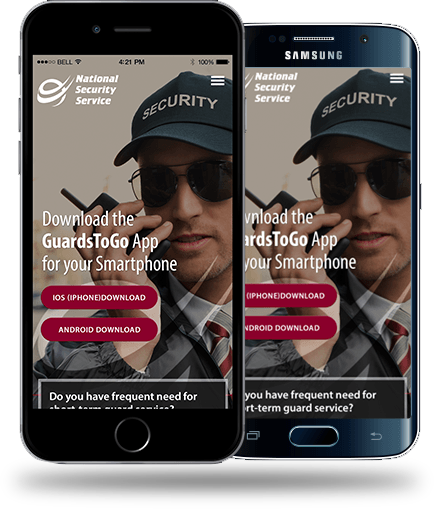
DOWNLOAD THE GUARDSTOGO MOBILE APP
Do you have frequent need for short-term security guard services? Are you usually on the run and out of the office? Then you need the GuardsToGo app from National Security Service. Download for IOS
 Download for Android